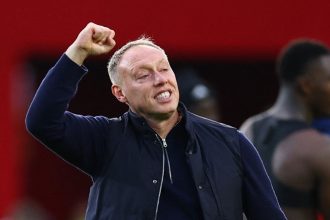
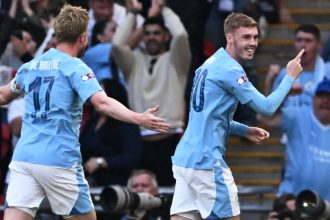
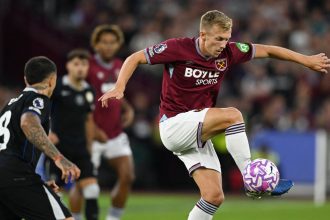
Last week, Manchester United and Manchester City played the first Manchester derby outside of the UK in a friendly which took place in the USA.
Houston was the lucky city to host the first overseas derby, and lucky is the word: Beijing’s Bird’s Nest Stadium should have been the venue with the privilege of hosting such a landmark game when both teams went on a pre-season tour to China last year, but inclement weather and a bad pitch made that impossible.
Clearly this is terrible preparation for on-pitch success and the rigours of a Premier League season, but it’s also not something that’s going to change in a hurry despite the fact that success in competitive games is what’s going to help a club to grow its worldwide appeal.
So this summer broke new ground for the Manchester clubs – at least in some sense – but it certainly isn’t a new phenomenon. In fact, it’s quite incredible that it took this long for both clubs to meet in such money-spinning fashion in one of football’s global ‘emerging markets’.
The cash-generating idea is nothing new, either. Football clubs have, as long as they’ve existed, looked for funding for one reason or another. In an era when footballers were amateurs or part-time professionals, money needed to be found to maintain grounds or even just to travel to away games. As the game grew, money was needed for training facilities and player wages.
Nowadays, clubs are aiming to reinvest in merchandising and their online and digital presence, and they need funding to stay competitive in the transfer market: not just so they can buy new players, but also so they aren’t forced to sell the best ones they already have.
That means signing partnership and sponsorship deals, negotiating deals to sell their TV rights to broadcasters like Sky and BT, and it also means finding ways to make money from the fan base. That’s through season tickets, shirt sales or other merchandising. Most recently, monetising social media channels has also become of huge importance to clubs – sponsors want to get their brand names in front of the passionate and engaged audience that football clubs have on their social media followings, and so the more followers you have – in general – the more money you can make from a partnership with a brand.
None of this is new either, it’s just the way football is these days. As a fan, you can’t help but notice it – all roads lead to money somewhere along the line. And in some ways – as sad as it might be – we’ve more or less made our peace with that state of affairs. The question is only whether or not the money could ever dry up, not whether or not clubs should be making it. It’s become so big that it looks like we could reach a glass ceiling at some point: there are only so many corporate sponsors you can flood your Twitter feed with, for example.
But if Premier League clubs were looking for ways to make more money, their prayers seemed to have have been answered: the latest TV rights deal effectively doubled their money, and they didn’t even have to seek a new source of income. It just landed in their laps, and the effects are clear, inflating the transfer market to the point we’re seeing at the moment. But now the question isn’t whether clubs have money to spend, or even where it’s coming from – we know they’re richer than ever.
But it’s whether or not that can be sustainable. After all, if Premier League viewing figures drop, can the league really negotiate deals with the likes of Sky Sports which are as big as they were before? Won’t Sky realise they’re getting less in return? Or what if the Spanish or Italian leagues become more popular around the world, and the Premier League can’t sell its product in Asia and America for the same prices it is becoming used to?
And if that happens, and the money from TV drops, will clubs have enough income to continue spending at the current level? And not just on transfer fees, but also spending on wages for the contracts of players they’ve already bought.
That’s where yearly jaunts to China, North America and even Australia come in. Football’s virgin lands are what’s going to help there: instead of having a fragile business model based on selling TV rights, football clubs recognise the need to have a more robust model that won’t collapse if the TV money declines. The lop-sided income stream isn’t the reason that clubs feel the need to travel abroad for lucrative friendlies – they’d do that anyway as it’s still a new market to make money from – but making their revenue paths more even is certainly does make pre-season tours more important than they ever have been.
But the short-term making of money isn’t the point. It’s about consolidating the Premier League’s power around the world as well as creating new football fans in these areas. And then comes the race for each club to snap them up as fans of their particular club. In turn, that’s a new chance to sell more merchandise and more tickets as well as creating more opportunities for overseas sponsorship. Clubs with more American fans, say, can ask for more money from American brands if they can point to American followers on Facebook and Twitter.
And so regardless of the fact that these tours aren’t great preparation for the clubs involved, it is, perhaps, the only way they can grow their business models to cope with the loss of TV money if the bubble were ever to burst. It’s about not having all their eggs in one basket.
Football’s worries about this sort of thing come directly from the fact that so much money has been pumped into the game and that the transfer market has inflated so much. Making more money from TV rights is one thing, but because clubs around the world know that Premier League clubs now possess this money, they now jack up transfer fees. That, in turn, forces clubs to spend more money than ever before, and it means they can’t just spend normally and save the extra cash they made last year. So if the bubble ever does burst, the cash reserves are no greater than they were before.
And that’s why the Manchester derby has gone global: an inevitable consequence of the game’s globalisation, sure, but speeded up because of the sudden influx of money leading to a worrying level of inflation. If the derby didn’t go global, at some point, you get the feeling that at some point only those in Manchester would even care about it.